What Is the Cost of Building a Squash Court? A Comprehensive Breakdown
Building a squash court, be it for a sports club, fitness center, or even a private residence, can be a fulfilling and rewarding endeavor. However, understanding the various factors that contribute to the cost of constructing a squash court is essential for effective budgeting and successful project planning. At TotalSquashCourt.com, our aim is to provide you with a comprehensive, transparent, and insightful breakdown of the costs associated with building a squash court, thereby empowering you to make informed decisions and create the perfect playing environment that aligns with your budget and specific needs.
In this detailed guide, we will delve into the many elements that impact the cost of constructing a squash court, offering valuable insights into the expenses related to court dimensions, materials, playing surfaces, lighting, and ventilation, to name just a few. We'll also shed light on the significance of professional design and installation services, as well as permits and regulations that need to be considered when undertaking such a project. By understanding the cost factors and their respective importance, you will be better equipped to develop a budget that accommodates your squash court vision while staying mindful of financial constraints.
Are you ready to explore the intricacies of building a squash court and gain a clear understanding of the costs involved in constructing a world-class playing facility? Join us as we embark on this educational journey, and together, let's transform your squash court dream into a tangible, strategic, and financially viable reality. Let's get started!
Court Dimensions and Structural Components
The size and scope of your squash court project will significantly impact the overall cost. Determine whether you'll be constructing a single or multiple-court facility – and consider the following factors for a clearer picture of the required budget:
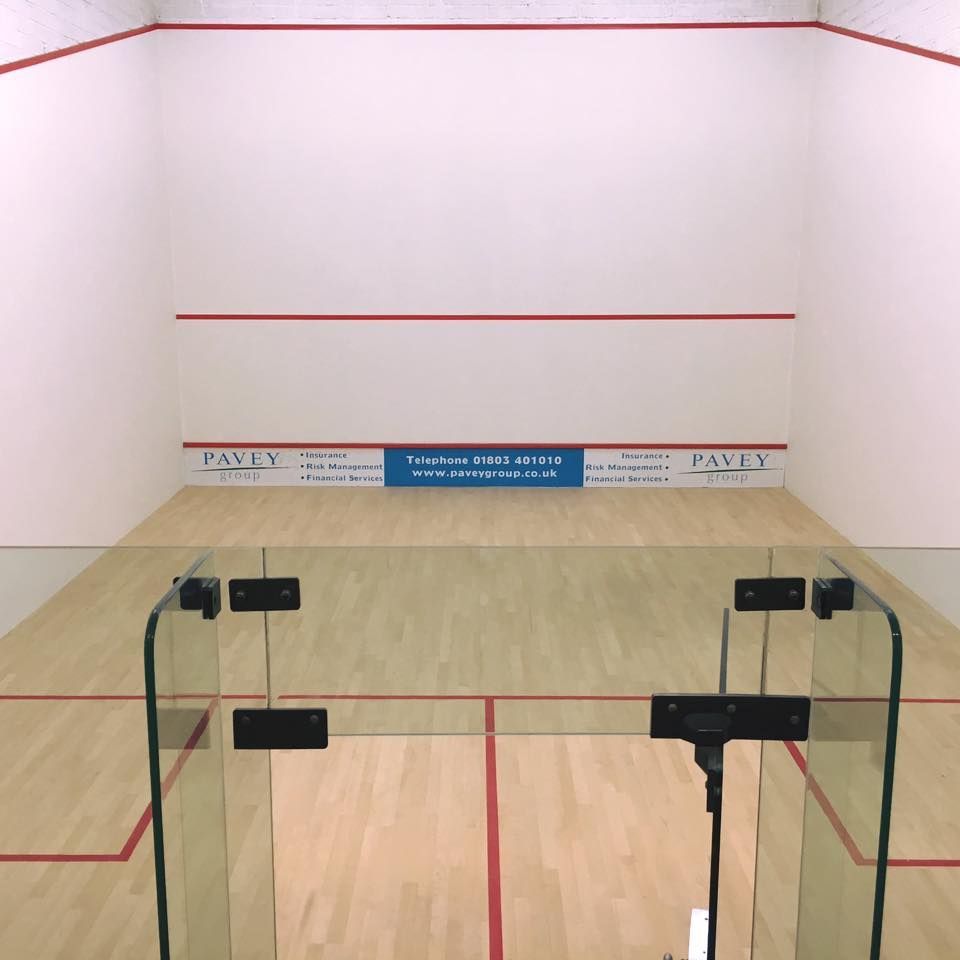
- Court Size: The World Squash Federation (WSF) standard dimensions for a squash court are 32 feet long by 21 feet wide, with a ceiling height of 18.5 feet. Expansions or deviations from these dimensions could result in additional expenses for construction materials, labor, and more.
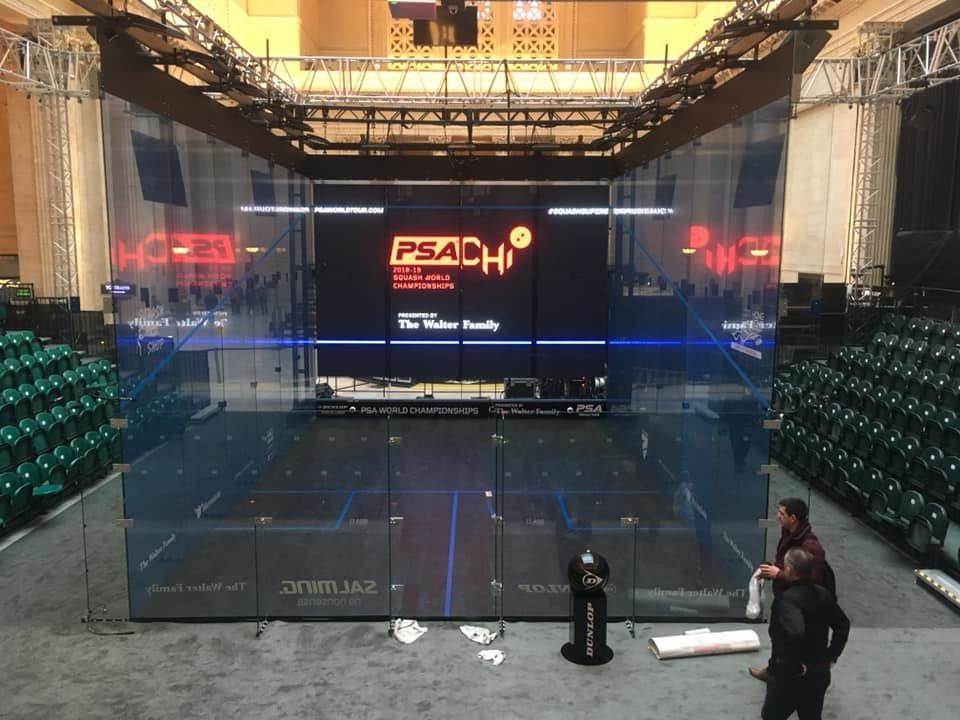
- Wall Construction: Squash court walls must be sturdy, smooth, and flat to ensure optimal gameplay. The cost of wall construction will vary depending on the chosen materials, such as concrete, plasterboard, or specialized squash panels. Additionally, a glass-back wall can provide excellent visibility for spectators, but this may entail a higher expense compared to traditional solid materials.
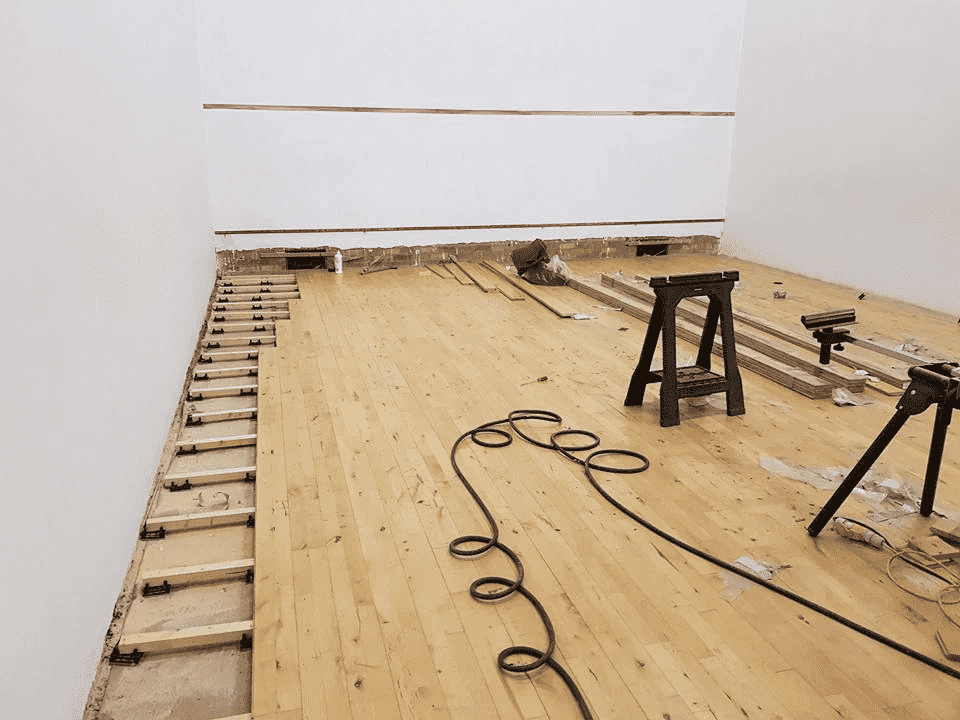
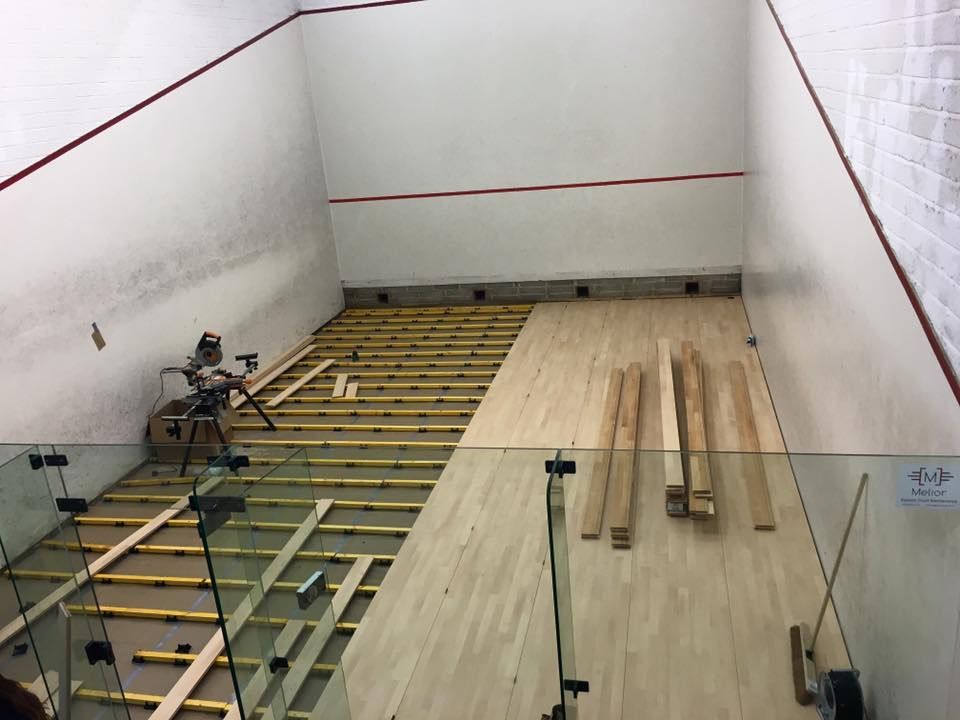
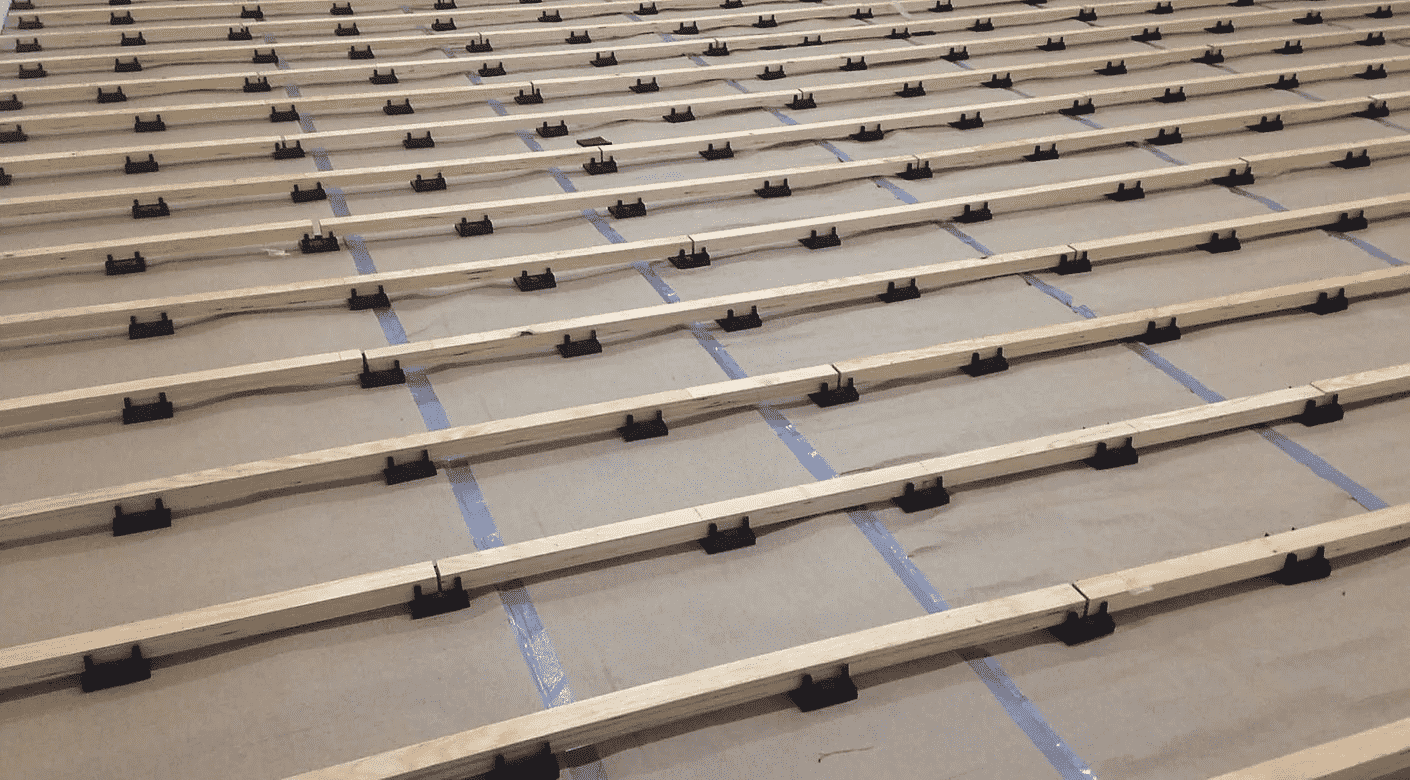
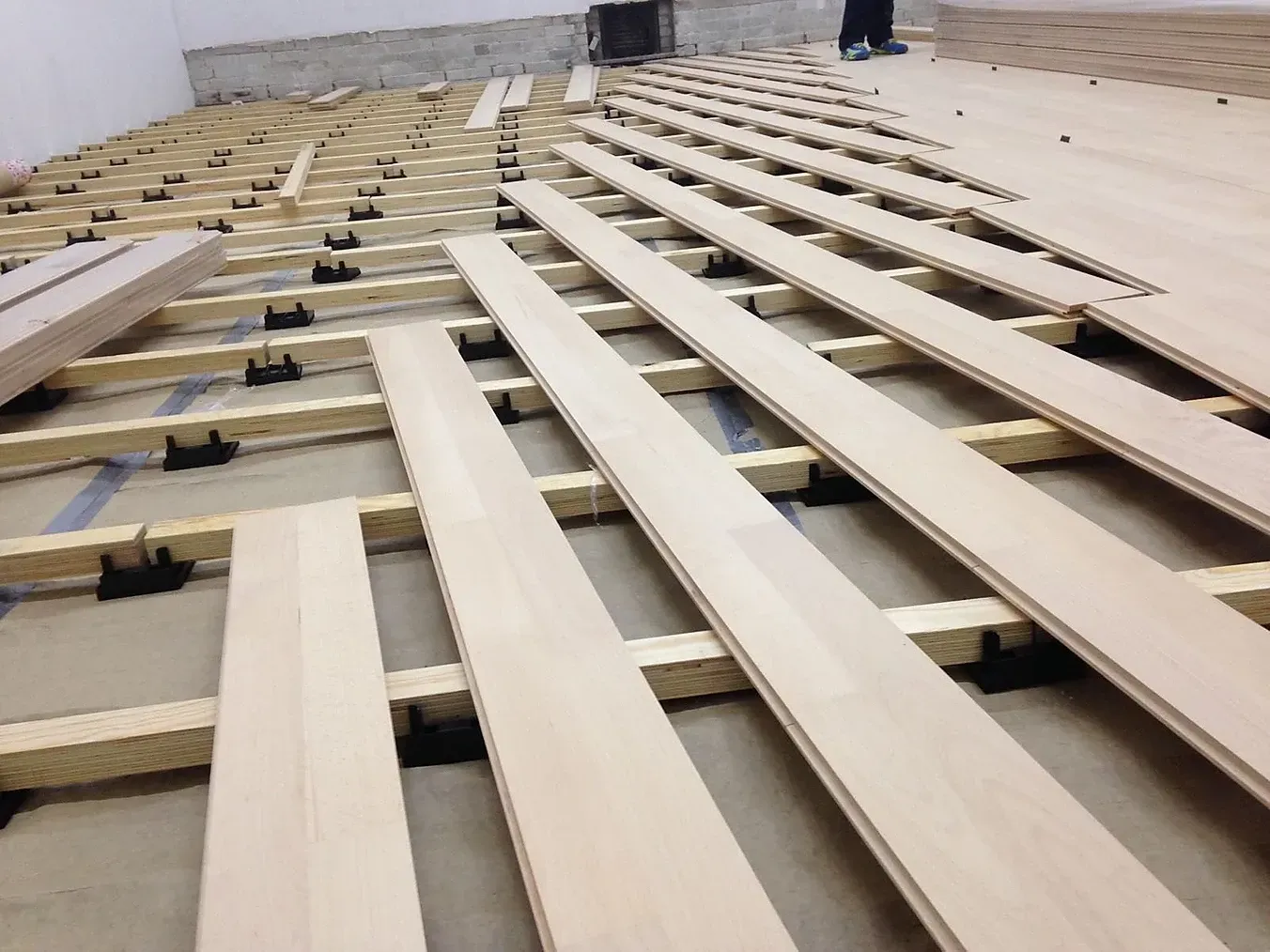
- Flooring: The choice of flooring material will impact construction costs as well. Traditional hardwood flooring may be more costly upfront, but it offers excellent durability, performance, and aesthetics. Alternatively, rubber or vinyl flooring can be less expensive options, while still providing a comfortable playing surface.
Playing Surfaces and Equipment
The quality of playing surfaces and essential court equipment significantly influences the cost of building a squash court. Consider the following aspects:
- Wall Finish: Applying a high-quality, durable finish to the court walls is crucial for promoting excellent ball rebound and visual contrast. Classic options such as plaster or panel systems may come at different price points, while more advanced options like specialized custom coatings may command a higher premium.
- Court Paint: The choice of paint for the court walls, floor, and marking lines is an important cost factor to consider. Opt for a hard-wearing, non-reflective paint specifically designed for squash courts to ensure long-lasting performance and visual clarity.
- Netting and Fittings: Don't overlook the importance of installing proper netting and fixtures, such as metal or wooden tins, as well as any necessary fittings to secure these components. The cost of these materials will depend on the chosen quality and durability.
Lighting and Ventilation Systems
Investing in appropriate lighting and ventilation systems for your squash court is vital – both for the comfort and performance of the players and the energy efficiency of your facility. Keep these factors in mind:
- Lighting: LED lighting is the recommended choice for squash courts, as it offers excellent energy efficiency, brightness, and longevity. Consider the initial investment for LED fixtures and the potential savings in the long run when determining your budget.
- Ventilation: Proper ventilation is essential to maintain a comfortable indoor environment and minimize the risk of condensation. This may involve the installation of ceiling fans, air conditioning units, or ventilation ducts. Depending on the chosen system and facility size, the costs for ventilation can vary widely.
Professional Design, Installation, and Permits
Ensure a successful squash court construction project by taking into account the following professional services and legal requirements:
- Design and Consultation: Working with a professional squash court design consultant, such as the experts at Total Squash Court, can provide invaluable guidance and expertise on materials, dimensions, and best practices. This may have an associated cost, but the long-term benefits are worth the investment.
- Installation and Labor: Allocate sufficient funds in your budget for the labor required to install various court components, lighting, and ventilation systems. The cost of labor will depend on regional rates, project size, and work complexity.
- Permits and Regulations: Ensure your squash court project adheres to all local building codes and requirements. Factor in the cost of obtaining any necessary permits and fees, as well as the time and effort required to navigate this process.
Conclusion
Building a squash court is a substantial investment, but understanding the various costs and factors involved can help you make informed decisions and establish a realistic budget for your project. By carefully considering court dimensions, structural components, playing surfaces, lighting systems, ventilation, and professional services, you can create a top-tier playing environment that meets your specific needs and financial constraints.
At Total Squash Court, our team of
squash court construction specialists is dedicated to guiding you through every step of the process, providing tailored solutions and expert advice to ensure the success of your project. Together, we can bring your squash court vision to life, creating a truly exceptional playing space that inspires players to shine and spectators to marvel.