Efficient Squash Court Maintenance: Tips for Preserving Court Performance and Longevity
A well-maintained squash court is crucial for delivering an exceptional playing experience, as well as preserving the court's performance capabilities and aesthetic appeal. Regular court maintenance helps prevent damage, surface deterioration, and safety risks, ensuring the longevity of your investment. As a court owner or facility manager, understanding the importance of squash court maintenance and implementing a comprehensive care routine is essential in maintaining an outstanding playing environment for athletes of all levels. At Total Squash Court, we are committed to providing expert guidance and support on all aspects of squash court care, ensuring your playing space remains in peak condition.
In this detailed guide, we will explore essential squash court maintenance tips, focusing on preserving court performance, safety, and aesthetics. We will discuss best practices for regular upkeep, including cleaning, inspection, surface repairs, and timely interventions for addressing potential issues. Additionally, we will investigate the importance of seasonal maintenance, evaluating necessary tasks and preventive measures to help maintain your court's integrity throughout the year.
Are you ready to learn how to expertly care for your squash court and ensure its long-lasting performance and appeal? Join us as we delve into the world of squash court maintenance, and together, let's create a playing environment that surpasses the expectations of players and spectators, fostering a love for squash that endures through time. Let's get started!
Routine Cleaning and Inspection
Implementing routine cleaning and inspection procedures is the foundation of effective squash court maintenance, helping to preserve the court's appearance and performance:
- Daily Cleaning: Sweep or vacuum the court surface daily to remove dust, dirt, and debris. Use a damp mop with appropriate cleaning solutions to address any stubborn spots or spills. Regular cleaning not only maintains a pristine appearance but also reduces the likelihood of slip- and impact-related injuries.
- Weekly Inspection: Conduct a thorough inspection on a weekly basis, examining the court surface for signs of wear or damage, such as scuff marks, scratches, or cracks. Inspect walls, ceilings, netting, lighting, and any installed equipment to ensure they remain secure and functional.
- Minor Surface Repairs: If your inspection reveals surface damages or scuff marks, address them promptly using appropriate repair techniques and materials. This helps preserve the court's appearance and performance, preventing small issues from escalating into larger, more expensive repairs.
Surface Recoating and Refinishing
Periodically recoating or refinishing your squash court's surface is critical for maintaining optimal playing conditions and ensuring longevity:
- Recoating Schedule: Depending on the court's usage, consider recoating the surface every one to two years for the best results. Recoating helps restore the court's grip, color, and visual appeal, while also providing a protective layer against wear and damage.
- Professional Services: Consult with a professional court maintenance service provider, such as Total Squash Court, to determine the appropriate recoating or refinishing schedule based on your specific court materials and usage patterns.
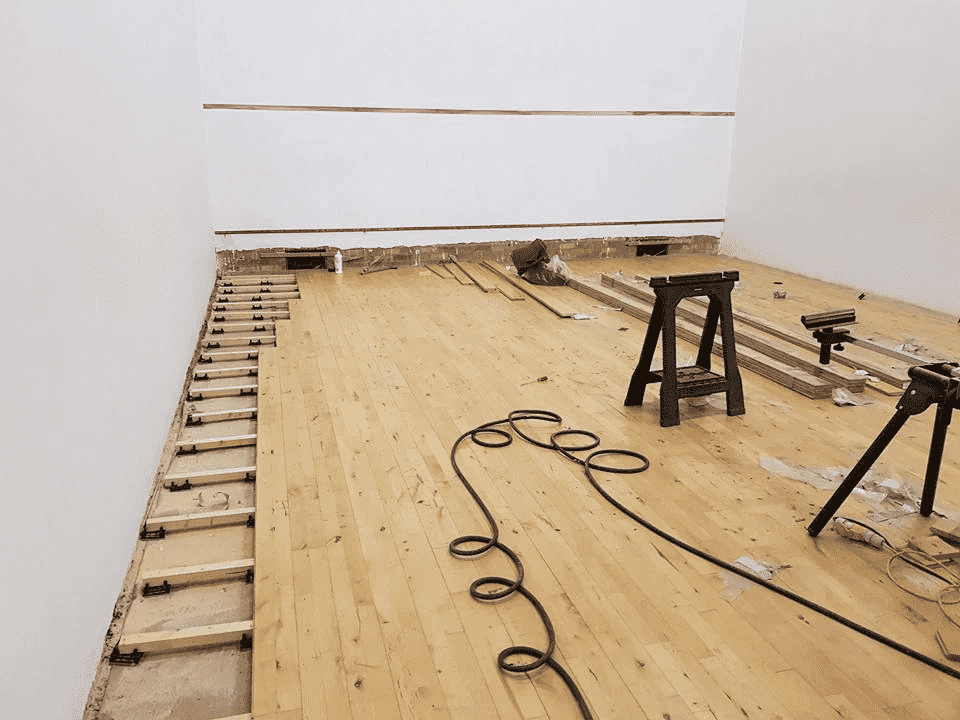
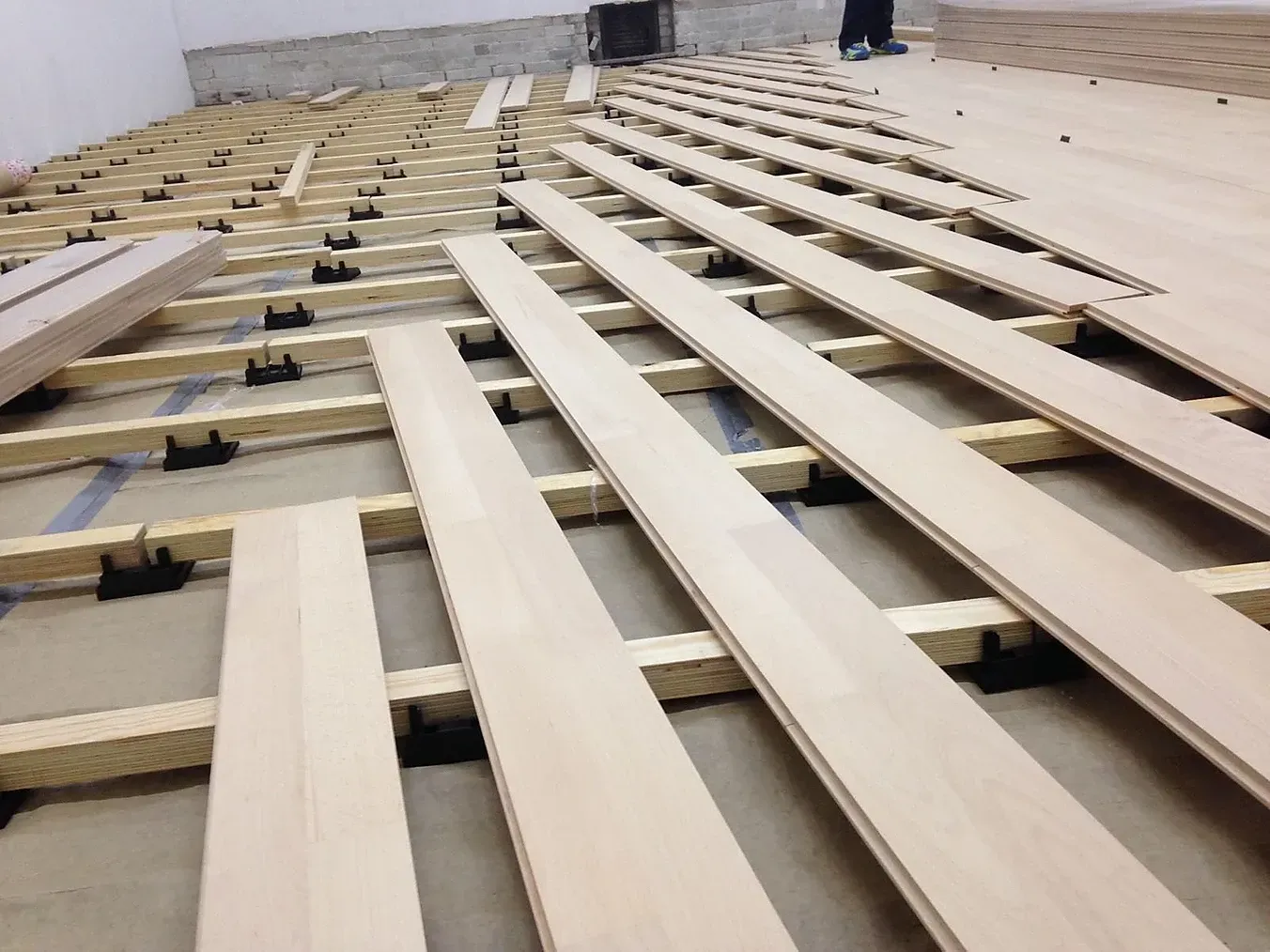
- Surface Preparation: Prior to recoating or refinishing, prepare the court's surface by thoroughly cleaning, repairing, and leveling any problematic areas. Proper surface preparation ensures a smoother, more effective application of coatings and finishes and helps extend the life of your squash court.
Seasonal Maintenance and Weather Preparedness
Addressing the impacts of changing seasons and weather conditions is essential for maintaining squash court performance and safety:
- Assessing Seasonal Needs: Different seasons may present unique challenges and maintenance requirements for your squash court. Whether it's shedding leaves in the fall, snow and ice in the winter, or increased humidity in the summer, be prepared to adapt your maintenance routine accordingly.
- Preventative Measures: Proactively protect your court from the effects of seasonally inclement weather, such as installing drainage systems to prevent water damage or investing in heating solutions for winter months. Regular monitoring of the court's temperature and humidity can prevent mold growth, condensation, and associated damages.
- Equipment Maintenance: Ensure all court equipment, including nets, lighting, and HVAC systems, remains in optimal working condition throughout the year. Proper equipment maintenance contributes to a safe, comfortable, and enjoyable playing environment for all users.
Court Safety and Facility Aesthetics
Maintaining court safety and facility aesthetics is essential for fostering a positive playing environment and retaining player satisfaction:
- Safety Assessments: Regularly evaluate your court's safety features, such as secure wall panels, visible boundary lines, and appropriate lighting, to ensure they meet or exceed industry standards and support a safe playing experience for all.
- Court Aesthetics: Keep the squash court area aesthetically pleasing by repairing any visible damage or wear on walls, flooring, and other surfaces promptly. A well-maintained court not only enhances the player's experience but can also contribute to the overall appeal of your facility.
- Spectator Comfort: Consider the comfort and needs of spectators and guests by maintaining clean, comfortable seating areas and ensuring proper lighting. Attend to any concerns or feedback regarding facility aesthetics promptly, as satisfied guests are more likely to return or recommend your venue to others.
Conclusion
Effective squash court maintenance is crucial for maintaining optimal player performance, safety, and facility aesthetics. By implementing routine cleaning and inspections, adhering to appropriate recoating and refinishing schedules, addressing seasonal challenges, and prioritizing court safety and aesthetics, you can ensure your court remains an exceptional playing environment for years to come.
At Total Squash Court, our comprehensive services and materials provide the expert guidance and support needed to keep your squash court in top condition. Together, let's preserve the beauty and performance of your court, fostering an enduring love for squash among players and spectators alike. Contact us today for
squash court maintenance services.