
Blog
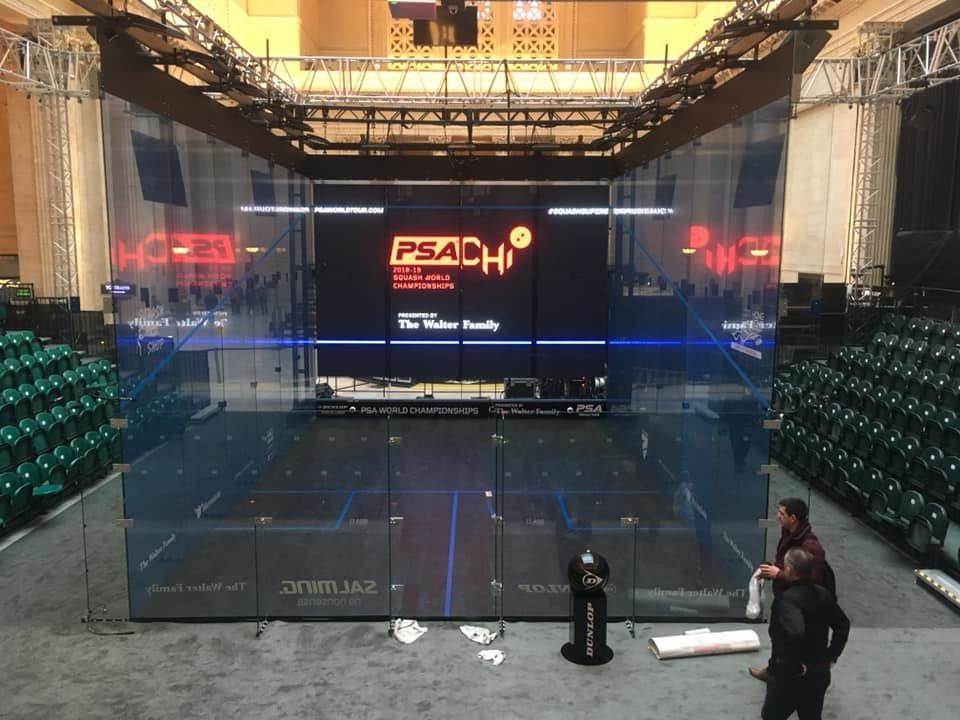
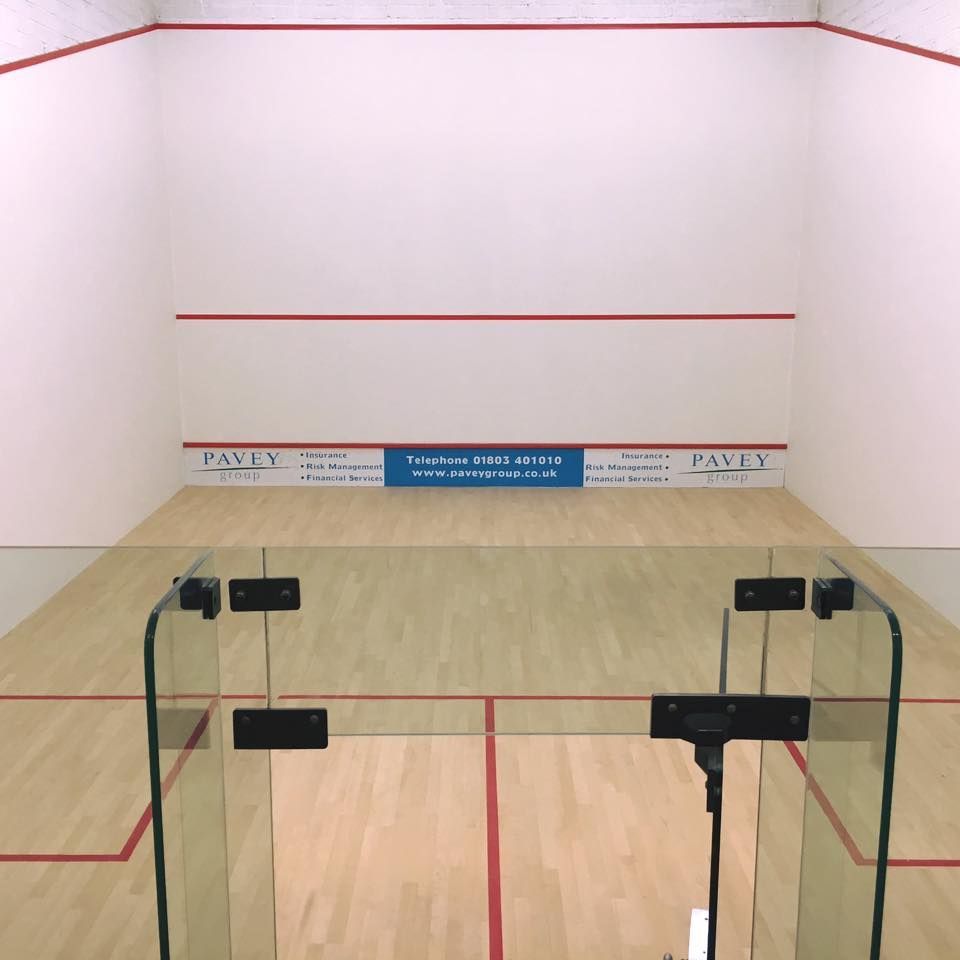
Discover the cost of building a squash court in the U.S., including materials, labor, design factors, and how to maximize long-term investment value.
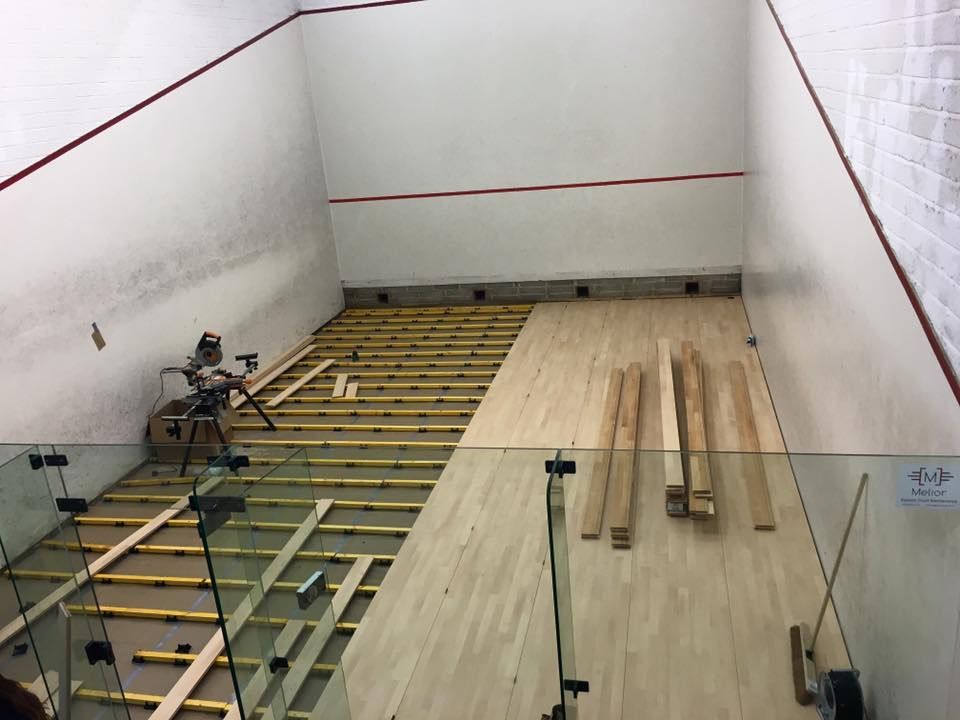
This guide explores when renovation is necessary, the repair process, cost considerations, and best practices to extend the life of existing courts while maintaining professional standards.
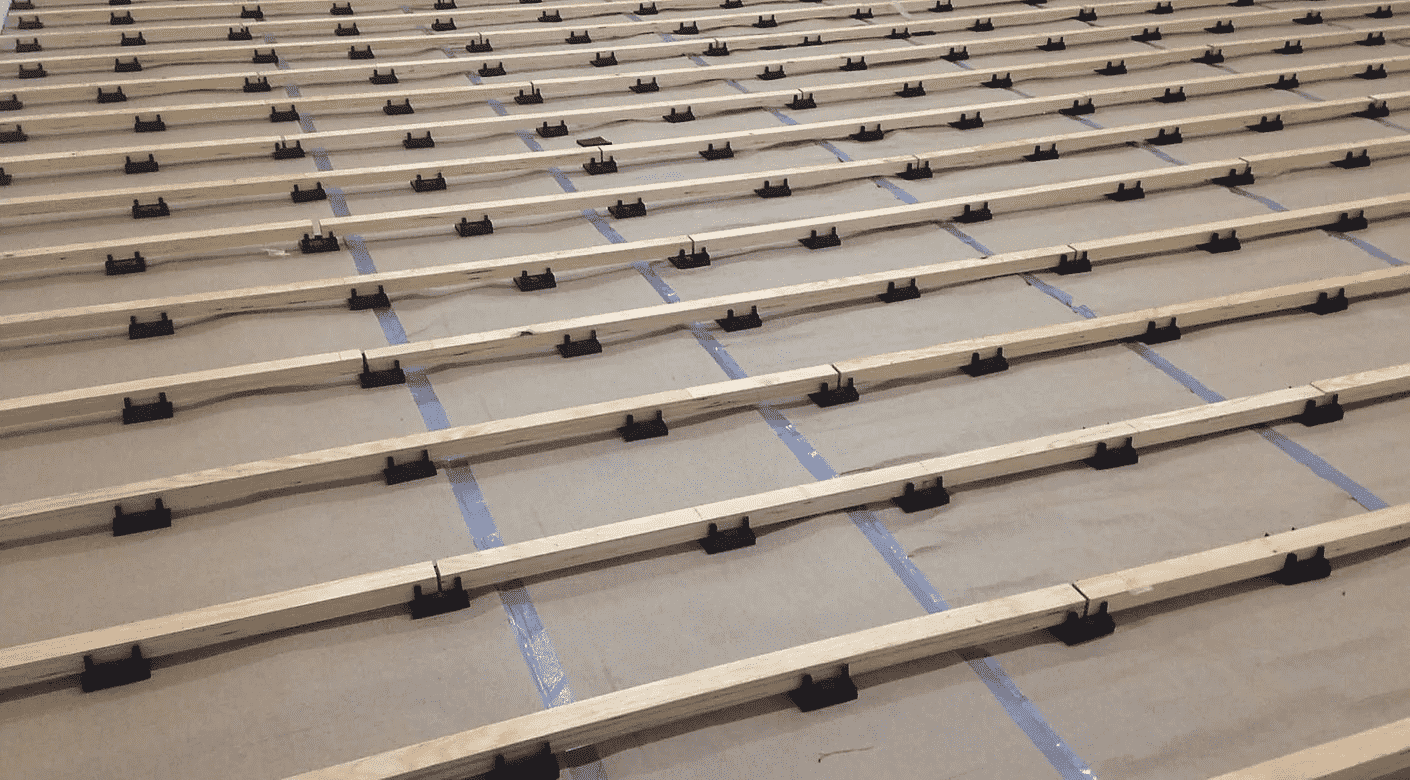
Learn how to maintain a squash court with expert tips on cleaning, repairs, and long-term care to ensure durability and consistent performance.
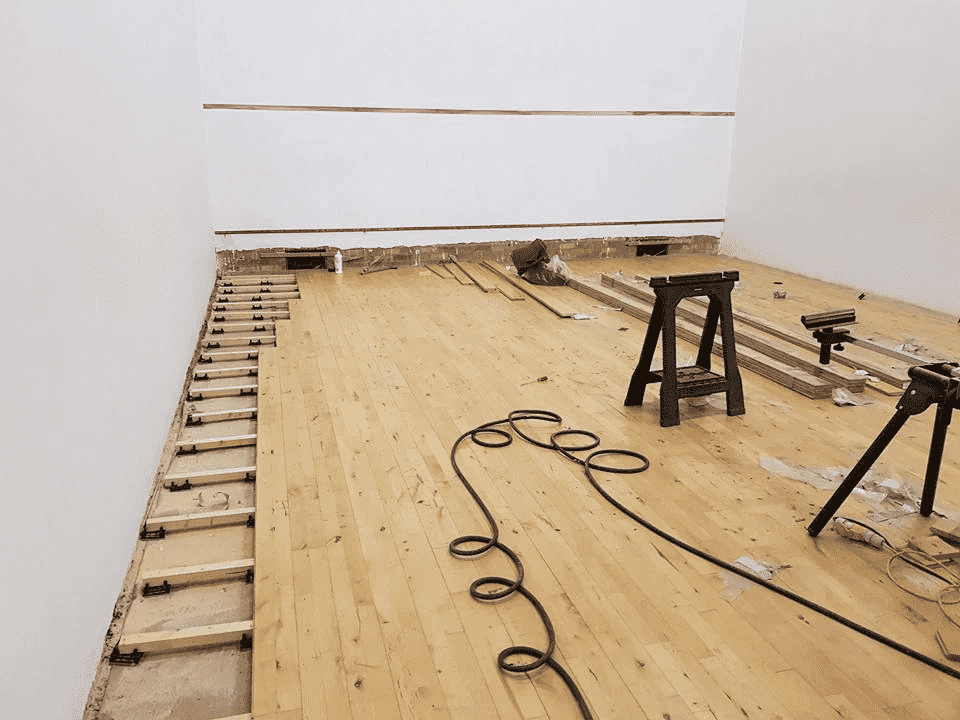
Discover the best squash court flooring options, including materials, costs, and maintenance strategies to ensure durability and high-performance play.
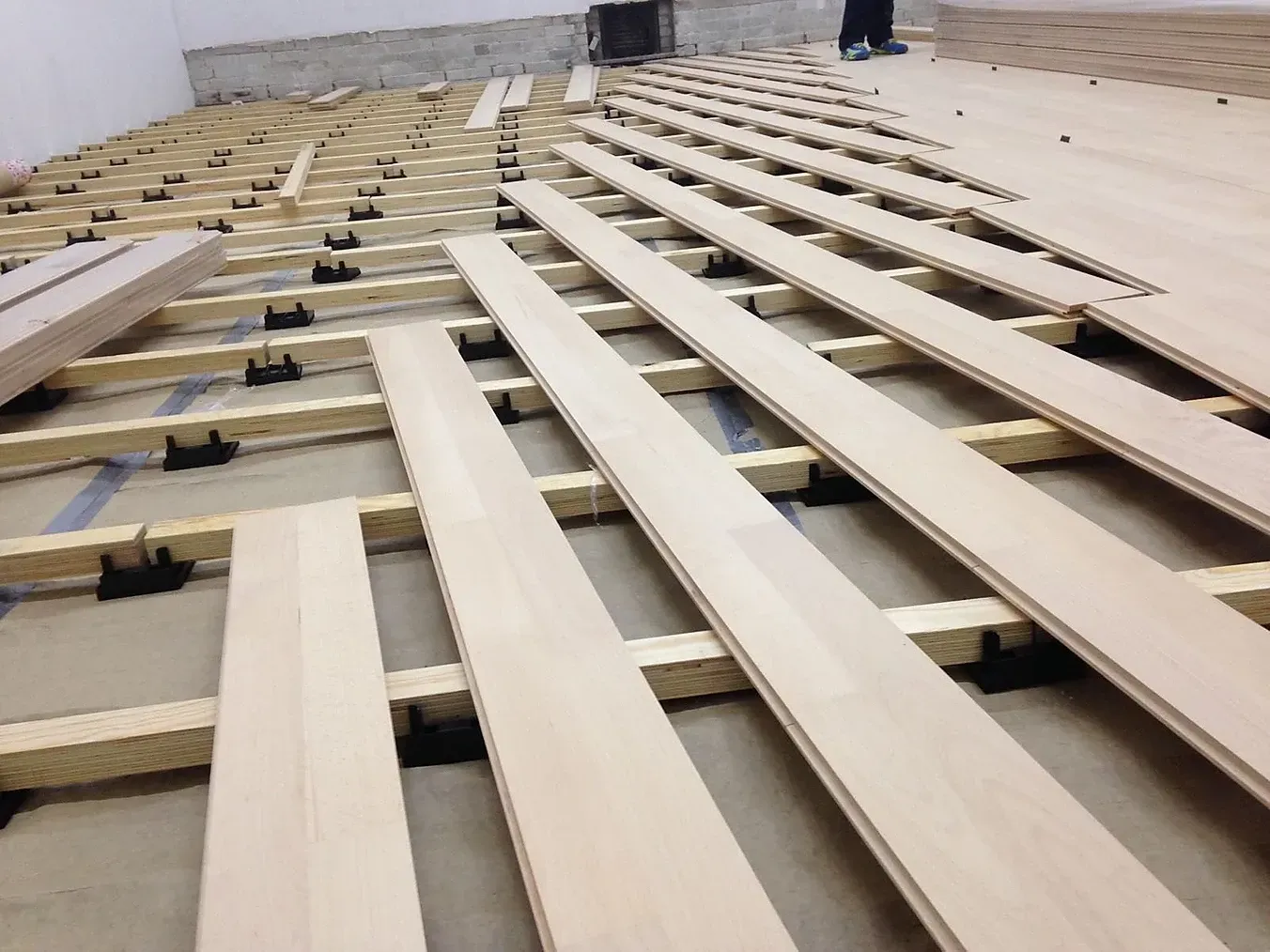
Learn the complete squash court construction process, from planning and design to installation, materials, and final inspection for long-lasting performance.
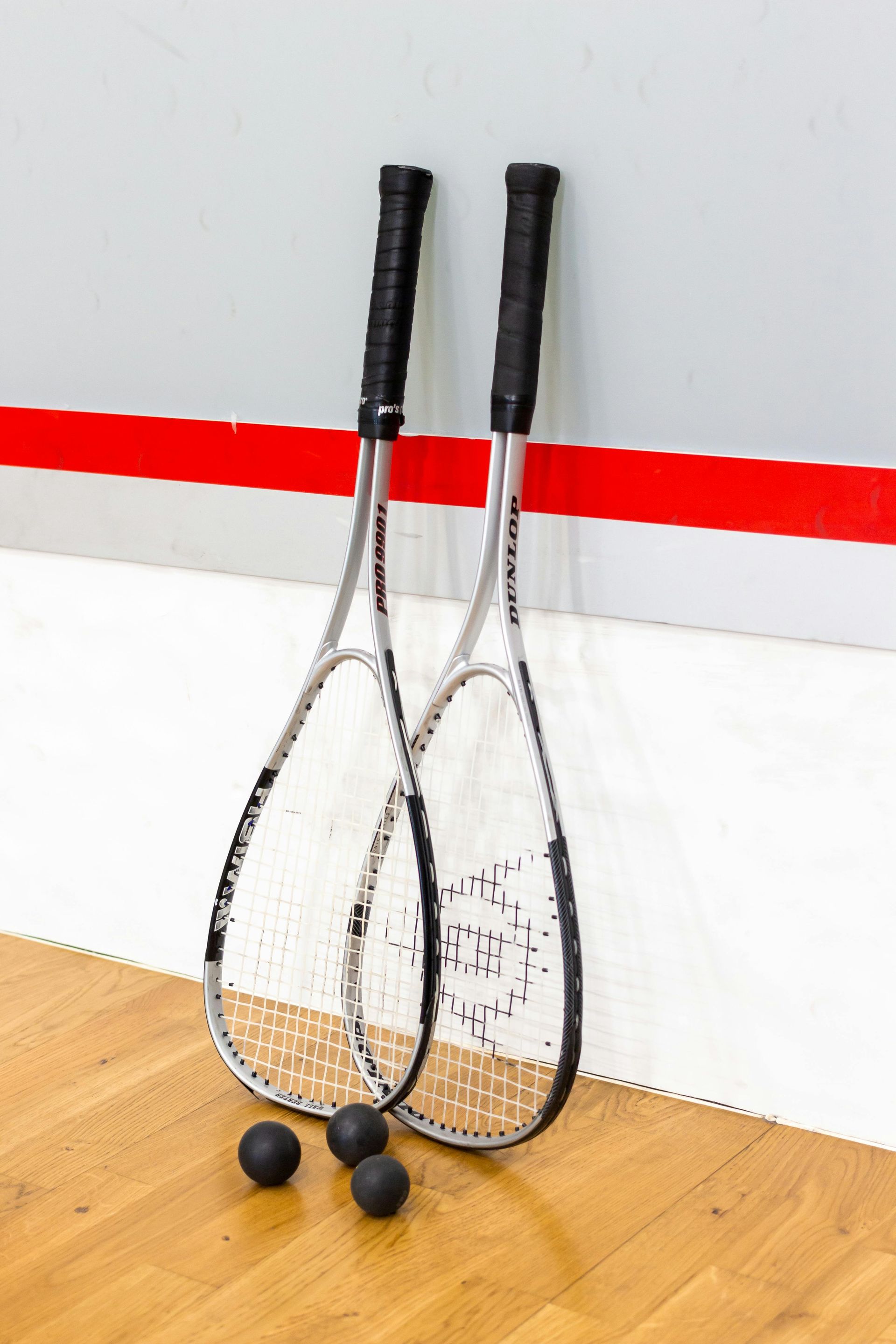
Explore innovative squash court design ideas for residential and commercial spaces, including layouts, materials, and features for performance and durability.
Discover expert insights on squash court construction, design, costs, flooring, and maintenance to build high-performance, long-lasting courts.
Squash is a fast and tough sport. Players run, stop, twist, and jump in seconds. All that action puts a lot of stress on the floor. That’s why squash courts need resilient flooring. Resilient flooring is strong. It can take impact and bounce back without damage. It also helps keep players safe and comfortable. In this article, you’ll learn what resilient flooring is, why it matters, and the best types for squash courts. What Is Resilient Flooring? Resilient flooring is a surface that is: Strong Flexible Shock-absorbing Long-lasting It does not crack or break easily. It can handle heavy use and still stay smooth and safe. For squash courts, this means: Good grip Safe movement Proper ball bounce Less strain on knees and ankles Why Resilient Flooring Is Important Squash is quick and intense. Players change direction fast. They lunge and sprint again and again. Without the right flooring, the court can become: Slippery Uneven Noisy Unsafe Good resilient flooring helps: Protect players from injury Improve game performance Reduce repair costs Keep the court in great shape for years Best Flooring Options for Squash Courts Here are the most common resilient flooring choices: 1. Engineered Hardwood with a Sprung Subfloor This is the top choice for professional courts. Engineered hardwood is stronger than solid wood. It handles heat and moisture better. When placed over a sprung subfloor (a shock-absorbing layer), it becomes even more resilient. Benefits: Great shock absorption Excellent ball bounce Long lifespan Beautiful finish This option costs more, but it offers the best performance. 2. Rubber Sports Flooring Rubber flooring is soft and flexible. It absorbs impact very well. It is best for: Training courts Schools Home setups Multi-use gyms Benefits: Comfortable for joints Slip-resistant Easy to clean Affordable It is not used in professional matches, but it works well for casual play. 3. Vinyl or PVC Sports Flooring Vinyl flooring is flexible and budget-friendly. Many types come with cushioned backing for extra comfort. It is good for light to moderate use courts. Benefits: Moisture-resistant Low maintenance Quick to install Cost-effective While it does not perform like hardwood, it is a solid choice for indoor facilities. Key Features to Look For When choosing squash court flooring, check for these features: Shock Absorption Reduces stress on joints. Good Grip Prevents slipping but allows smooth movement. Strong Surface Resists dents and cracks. Stable Material Handles changes in temperature and humidity. Easy Maintenance Stays in good shape with simple care. How to Choose the Right Flooring Think about these things before deciding: Type of Facility Professional courts: Choose engineered hardwood with a sprung subfloor. Schools or community centers: Rubber or vinyl works well. Home courts: Modular or cushioned systems are easy to install. Budget Hardwood costs more but lasts longer. Rubber and vinyl are more affordable and need less upkeep. Climate If your area has high humidity, choose materials that resist warping. Engineered products handle climate changes better. Simple Maintenance Tips Even strong floors need care. Follow these tips: Sweep daily to remove dust and dirt Use gentle, pH-neutral cleaners Recoat hardwood every 1–2 years Do not drag heavy equipment Keep indoor humidity stable With proper care, your squash court floor will stay safe and strong for many years. Final Thoughts Resilient flooring for squash courts is not just about strength. It is about safety, comfort, and performance. The right floor protects players. It improves the game. It also saves money on repairs over time. Whether you choose engineered hardwood, rubber, or vinyl, make sure resilience is your top priority. In squash, the floor takes every hit—so it must be ready to bounce back.